What is Jerry Can? How to Manufactured
2025-09-19
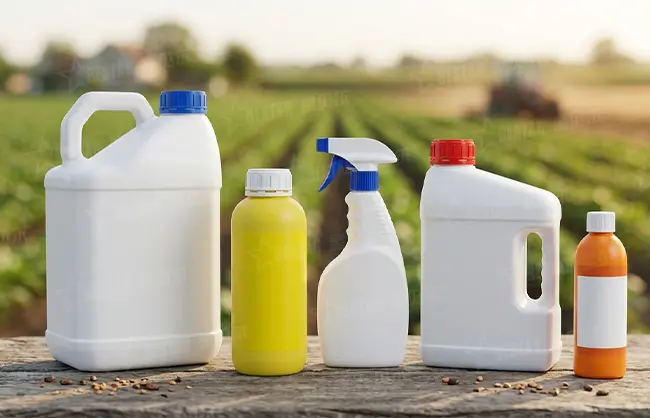
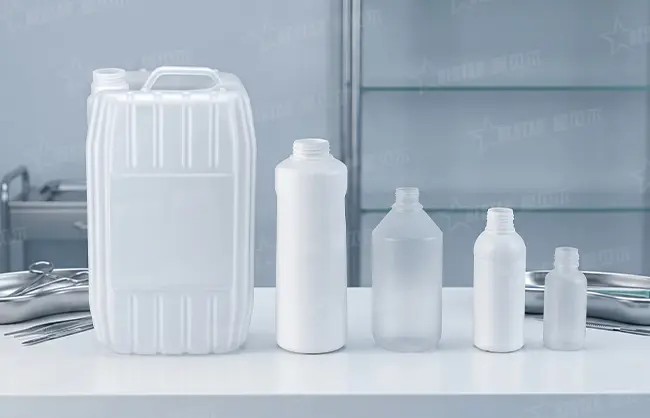
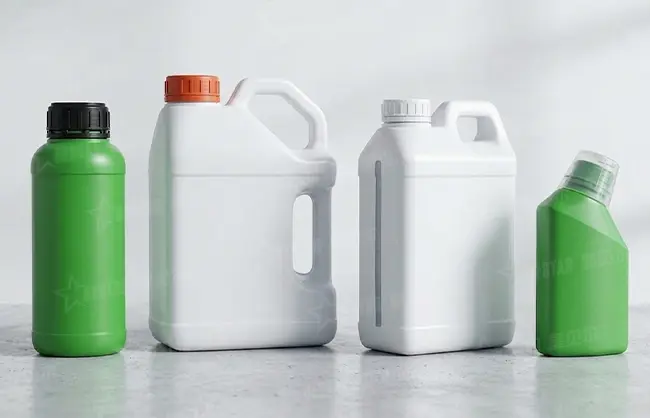
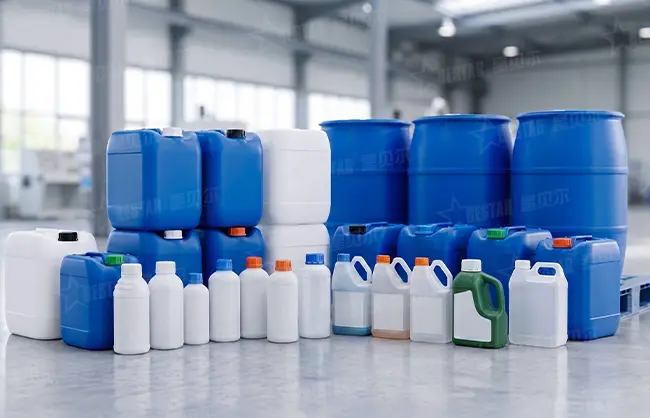
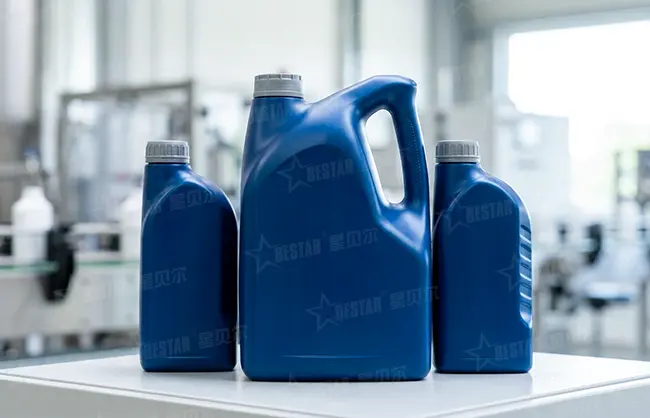
The plastic jerry can is a robust, container, typically between 5 and 25 liters in capacity, used for storing and transporting liquids. The name “jerry can” originally referred to a robust German military fuel container from World War II (the “Wehrmacht-Einheitskanister”), which was made of pressed steel.
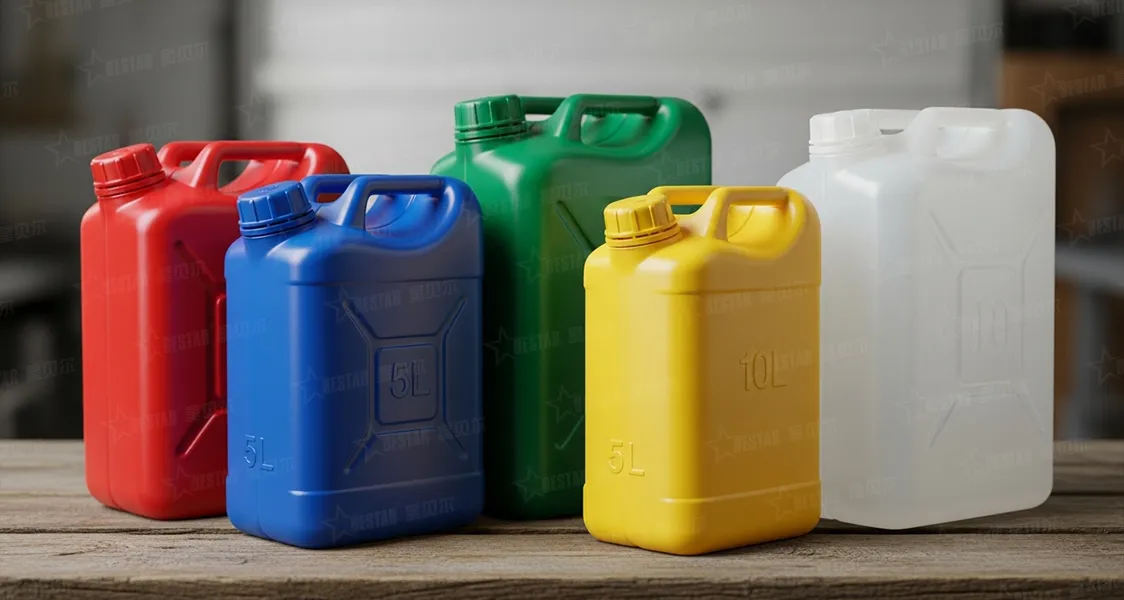
Characteristics of Plastic Jerry Can:
- Material: Most are made from High-Density Polyethylene (HDPE) due to its excellent chemical resistance, strength, and impact resistance. Some for food-grade liquids use Polyethylene Terephthalate (PET).
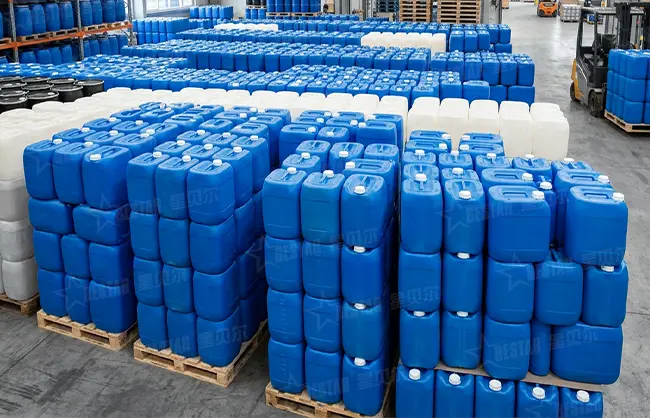
- Design: Features a rectangular, flat-sided design with a handle on top for easy carrying. This shape makes them stackable and space-efficient for storage and transport.
- Narrow Neck: Prevents rapid spillage and reduces vapor release.
- Screw Cap: Often with a gasket to create an airtight and leak-proof seal.
- Common Uses: Storing and transporting fuel (gasoline, diesel), water, oil, chemicals, food-grade liquids, and other industrial fluids.
How Are Plastic Jerry Cans Manufactured?
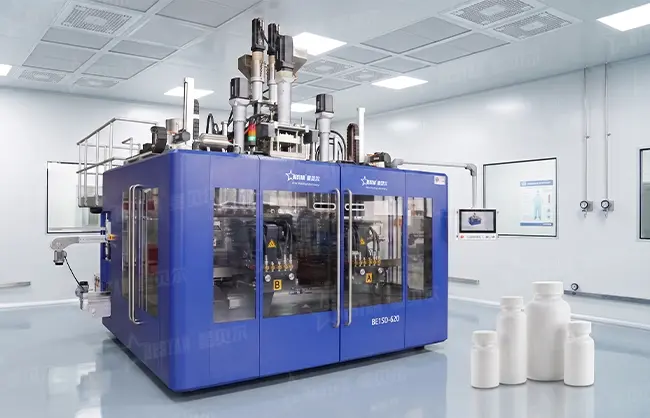
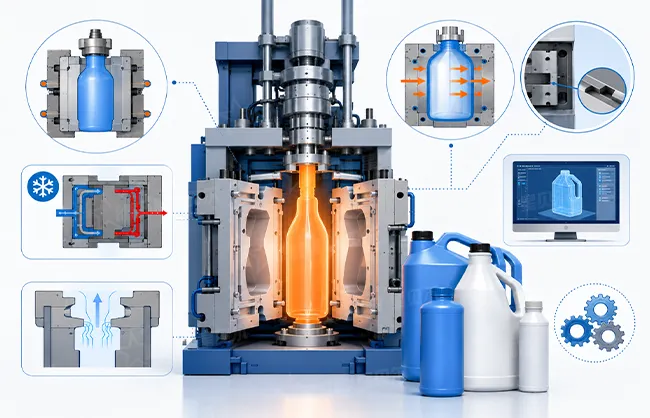
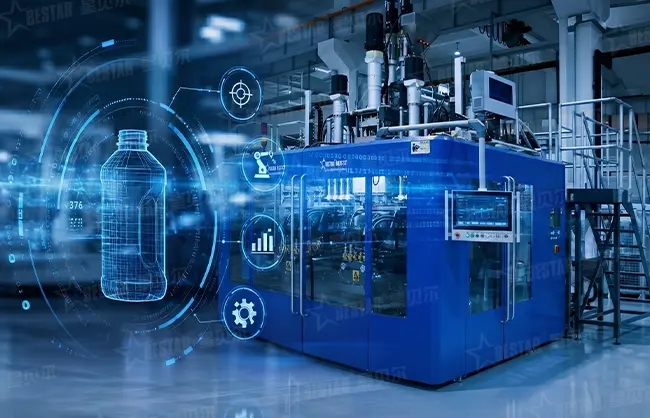
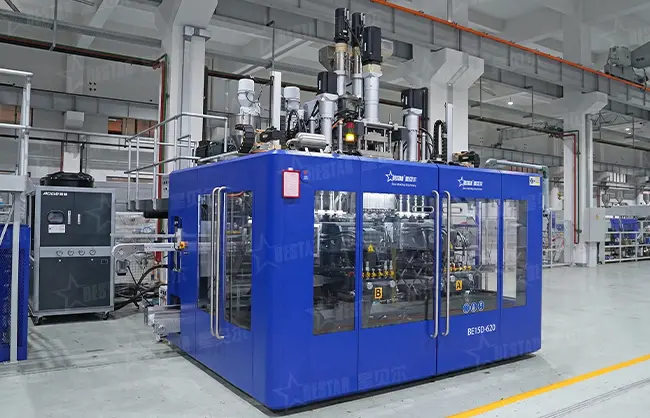
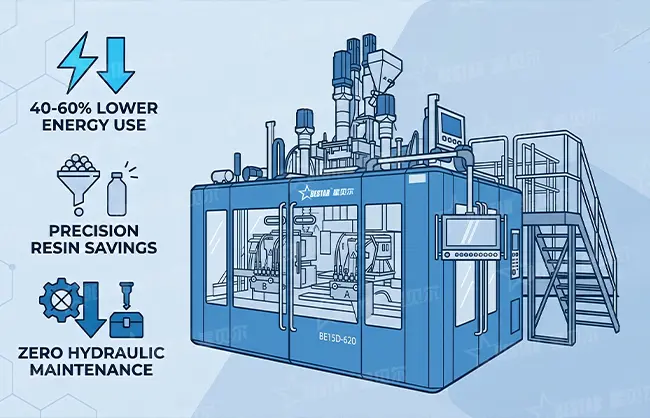
The primary manufacturing process for plastic jerry cans is blow molding, specifically “extrusion blow molding machine“. This is a continuous, high-volume process perfect for creating hollow objects.

- Melting and Extrusion: The HDPE pellets are fed from a hopper into a large, heated barrel called an extruder. Inside the extruder, a rotating screw mixes and melts the pellets into a thick, molten plastic paste. This molten plastic is then forced through a die head, which shapes it into a hollow, tube-like piece of plastic called a parison (or a preform).
- Mold Clamping: A two-part metal mold, which has the precise negative shape of the jerry can (including the handle and surface details), is clamped shut around the hanging, hot parison.
- Inflation (Blowing): A “blow pin” is inserted into the neck of the parison. High-pressure air is blown through this pin, inflating the soft parison like a balloon, forcing it out against the cold inner walls of the metal mold.
- Cooling and Solidification: The mold is water-cooled. Upon contact with the cold mold walls, the molten plastic almost instantly solidifies into the final jerry can shape.
- Mold Opening and Ejection: The mold opens up, and the newly formed jerry can is ejected. At this stage, it is complete but has excess plastic flash around the seams (where the two mold halves met and at the neck).
About Suzhou Bestar Blow Molding Machinery Co., Ltd:
Beier Group and Bestar company are same owner And Bestar has been established for more than 19years. Bestar provides customers high efficiency, innovative, energy saving blow molding machinery solutions. Bestar blow molding machines sold to more than 60 countries.

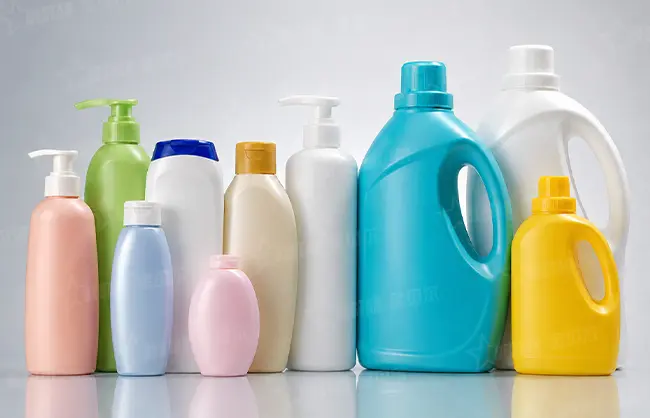
Series blow molding machine is used for blowing 100ml-1250L HDPE PE PP products like milk bottles, daily chemical packaging bottles, jerry cans, pesticide bottles / medicine bottles and stacking barrels.
Please write your machine inquire Email, Phone Number and Company Name here, we will respond within 12h. Or you can directly contact us: Email: sales@bestarmachinery.com or at Whatsapp/Wechat +86 18862609888.
Related News