How Manufacturers Produce Leak-Proof Lubricant Oil Bottles
2026-07-20
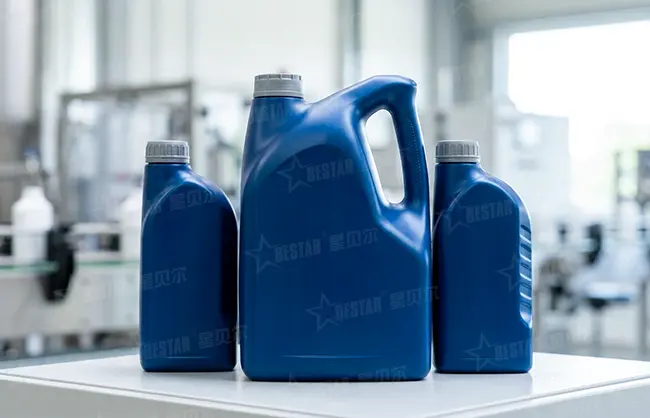
Engine oil and synthetic lubricants present unique packaging challenges. Unlike water or beverage packaging, motor oils possess lower surface tension, making them prone to slow seepage around container seams, handles, and neck threads. Furthermore, chemical migration and wall stress over extended shelf-lives can cause container deformation or seam failures during transit.
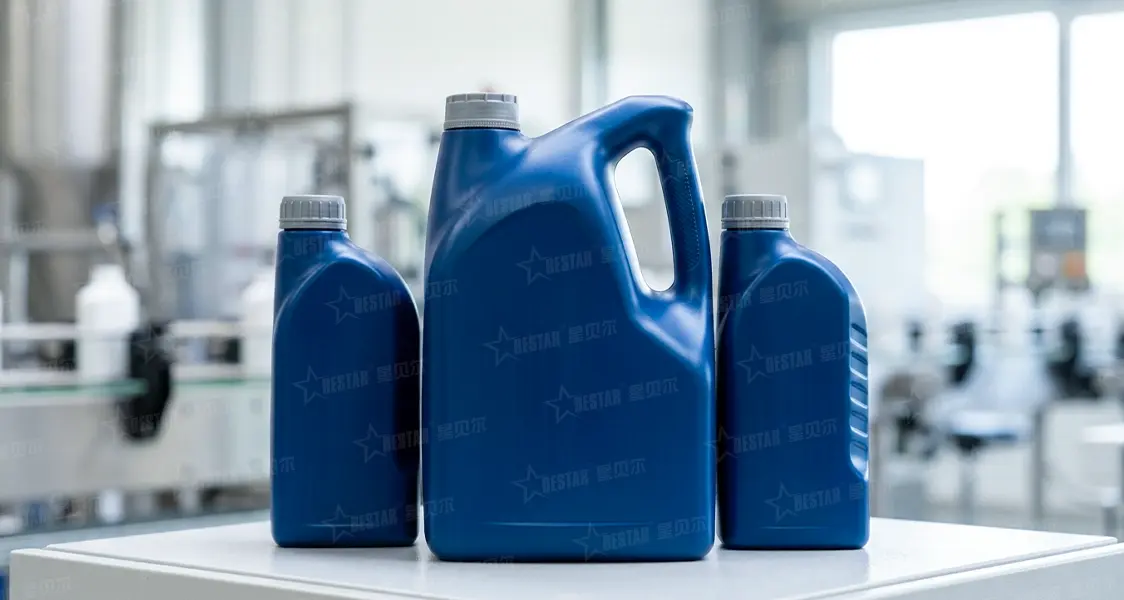
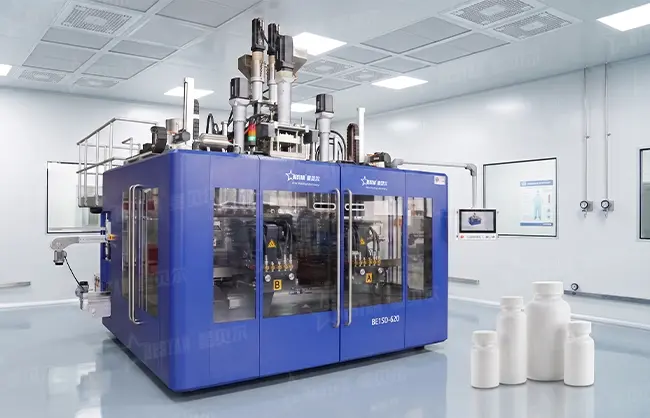
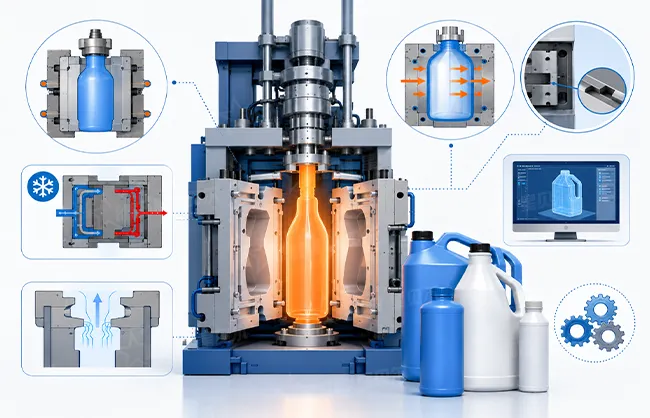
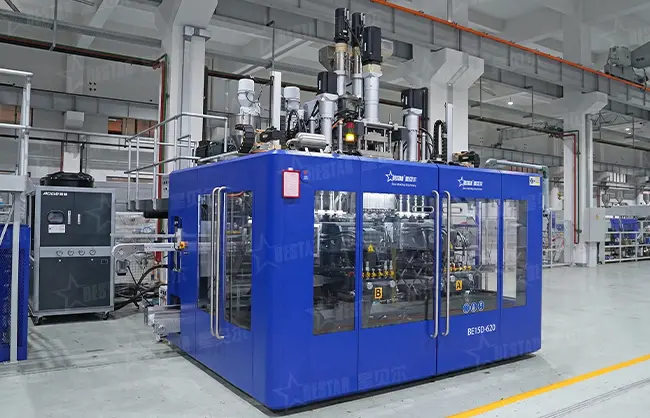
To prevent costly inventory damage and environmental contamination, lubricant manufacturers rely on specialized extrusion blow molding machine designed specifically to mitigate these structural vulnerabilities.
Multi-Layer Co-Extrusion for Chemical Barrier Protection:
Standard single-layer High-Density Polyethylene (HDPE) containers are susceptible to long-term hydrocarbon permeation, which softens container walls over time. Bestar’s blow molding machine solve this by moving to multi-layer co-extrusion technology.
By layering virgin plastic, regrind core layers, and specialized barrier resins like EVOH or Polyamide (Nylon), manufacturers create high-integrity container walls.
- Inner Layer: Pure, virgin HDPE/PP providing chemical inertness and smooth surface finish.
- Core Layer: Up to 70% recycled post-industrial plastic to optimize material cost without compromising strength.
- Barrier Layer: Micro-thin EVOH or Nylon layer preventing oil migration and oxidation.
Solutions engineered by specialist equipment providers like Bestar Machinery allow packaging plants to implement 1-to-6 layer co-extrusion die heads. This structural layering delivers structural rigidity, significantly lowers material overhead, and protects the container’s integrity throughout global supply chains.
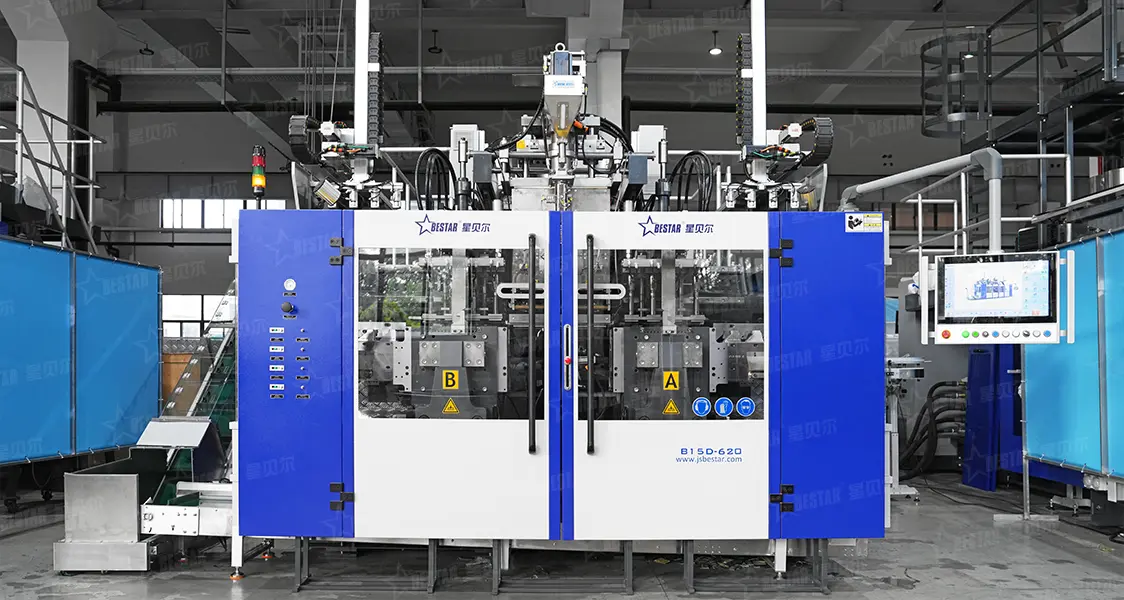
Dynamic Parison Thickness Control (PWDS):
A common point of failure in blown containers occurs at corners, handles, and bottom pinch-off seams where the plastic stretches thin during expansion.
To ensure consistent structural integrity, advanced lubricant oil blow molding machine feature integrated Parison Wall Thickness Control (PWDS). Controlled via programmable PLC software, the extrusion die dynamically adjusts its gap width in real time while the parison is being extruded.
High-Precision Neck Calibration and In-Line Finishing:
A bottle wall can be completely impermeable, but if the threaded neck is out-of-round or uneven, oil will leak past the foil seal or screw cap under vibration.
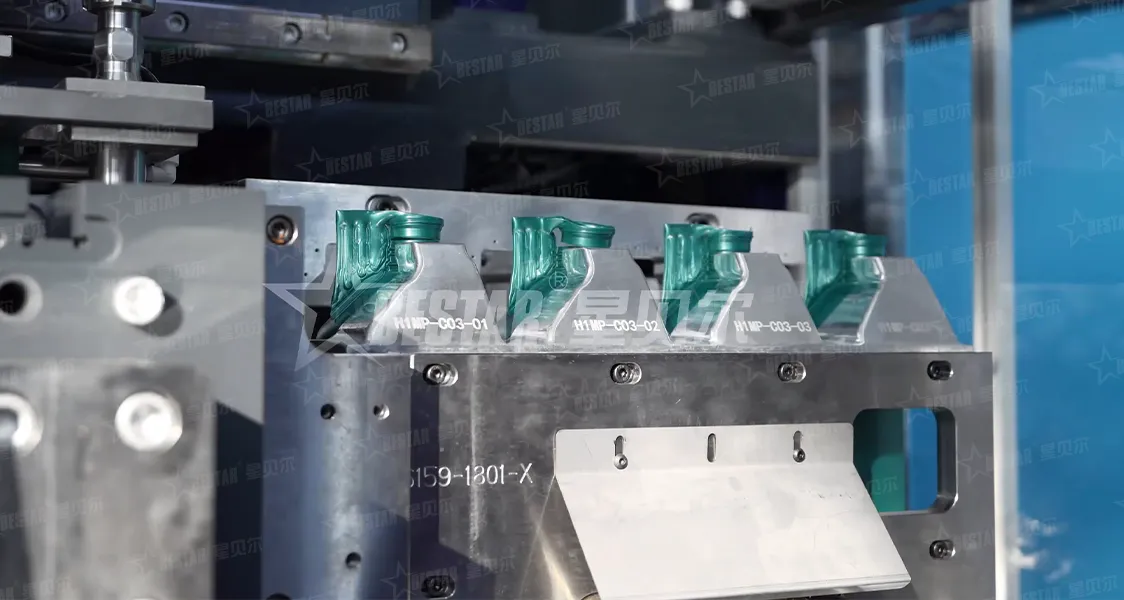
High-performance blow molding machine integrate hydraulic or servo-driven neck calibration pullers directly inside the mold. By cold-cutting or precision-trimming the bottle neck before ejection, the machine produces flat, burr-free sealing surfaces essential for heat-induction sealing.
Automated Quality Verification and Leak Testing:
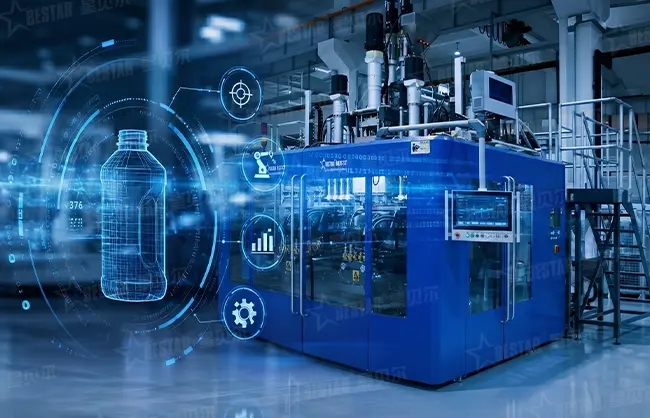
Even with precision mold design, micro-pinholes can occur if melt temperatures fluctuate. Industry 4.0 packaging lines eliminate defective containers by integrating automated quality control stations into the blow molding machine layout.
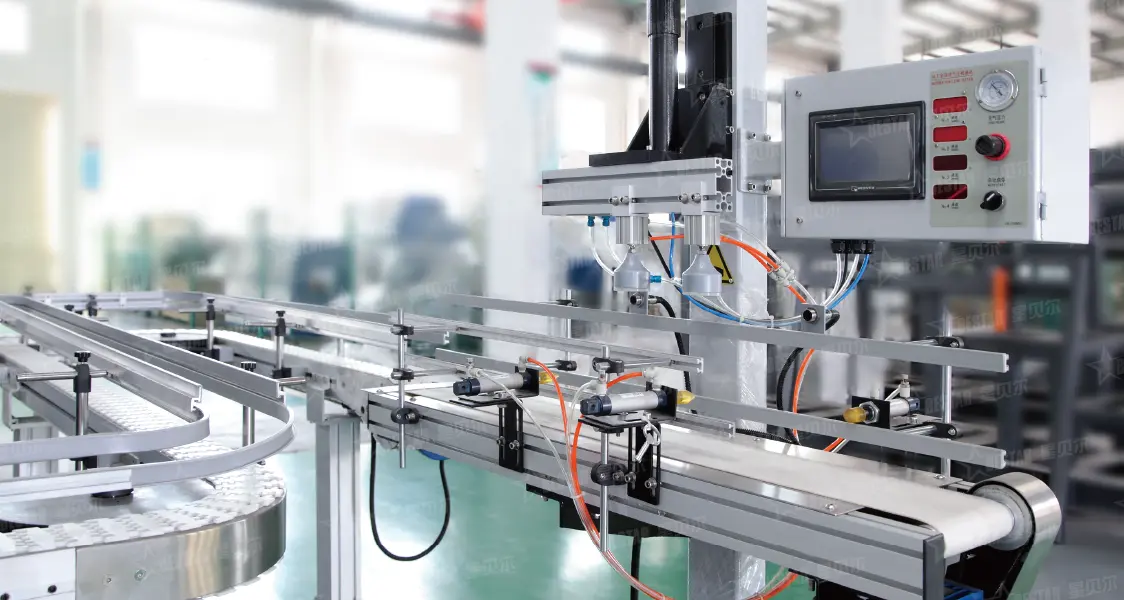
After automatic deflashing (which removes excess flash along handle seams), bottles move directly to an inline pressure testing station. Containers are pressurized with air; if the system detects even a fractional drop in pressure over milliseconds, the container is automatically rejected and routed directly to an industrial shredder for recycling.
FAQ:
Q1: Why do motor oil bottles need specialized blow molding?
A: Lubricants contain harsh additives that weaken standard plastic. Specialized machines use multi-layer extrusion and barrier resins to stop chemical degradation and leaks.
Q2: How does Parison Control (PWDS) prevent leaks?
A: It dynamically thickens molten plastic in high-stress zones—like handles, corners, and bottom seams—preventing thin spots when the bottle expands.
Q3: Can recycled plastic be used safely in oil containers?
A: Yes. Multi-layer machines hide up to 70% recycled plastic in the middle layer, keeping virgin plastic on the inside and outside to preserve strength.
Q4: Why is neck calibration critical for zero-leak seals?
A: Precision neck trimming ensures a perfectly flat, burr-free rim, creating an airtight surface for heat-induction foil seals and screw caps.
About Suzhou Bestar Blow Molding Machinery Co., Ltd:
Beier Group and Bestar company are same owner And Bestar has been established for more than 19years. Bestar provides customers high efficiency, innovative, energy saving blow molding machinery solutions. Bestar blow molding machines sold to more than 60 countries.

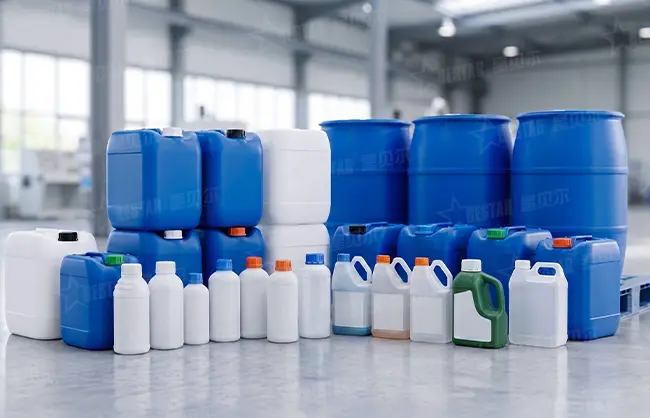
Series blow molding machine is used for blowing 100ml-1250L HDPE PE PP products like milk bottles, daily chemical packaging bottles, jerry cans, pesticide bottles / medicine bottles and stacking barrels.
Please write your machine inquire Email, Phone Number and Company Name here, we will respond within 12h. Or you can directly contact us: Email: sales@bestarmachinery.com or at Whatsapp/Wechat +86 18862609888.
Related News