Future Trends in Chemical Container Blow Molding Technology
2026-07-29
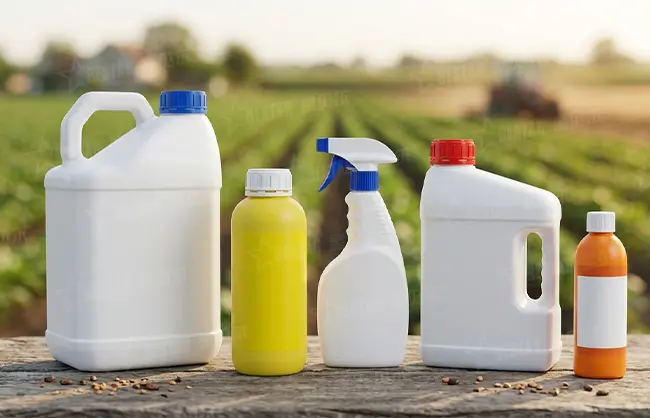
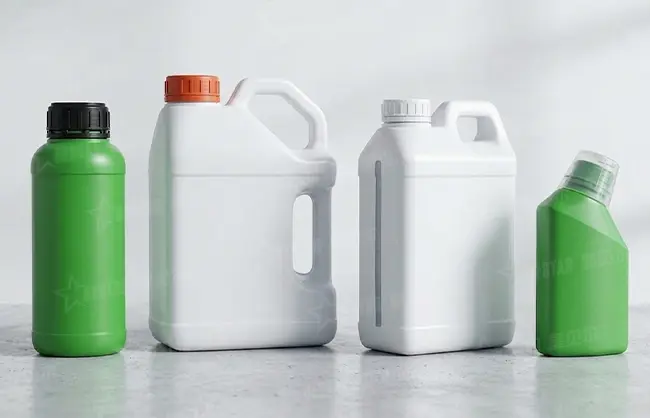
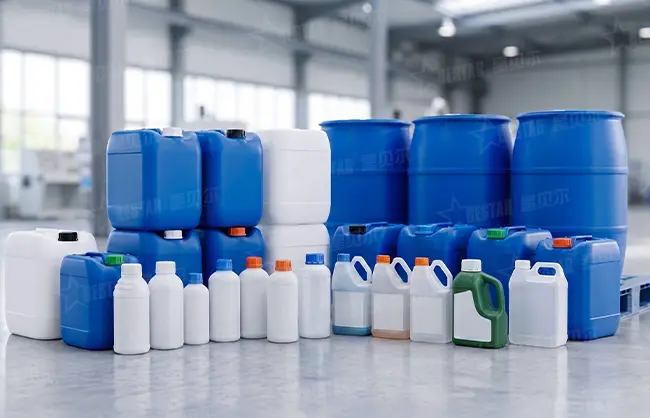
As stringent safety standards and global decarbonization targets reshape industrial packaging, chemical container manufacturers are rapidly modernizing floor operations. Traditional single-layer plastic processing is giving way to high-precision co-extrusion systems capable of safely housing volatile agrochemicals, daily consumer chemicals, and hazardous industrial liquids.
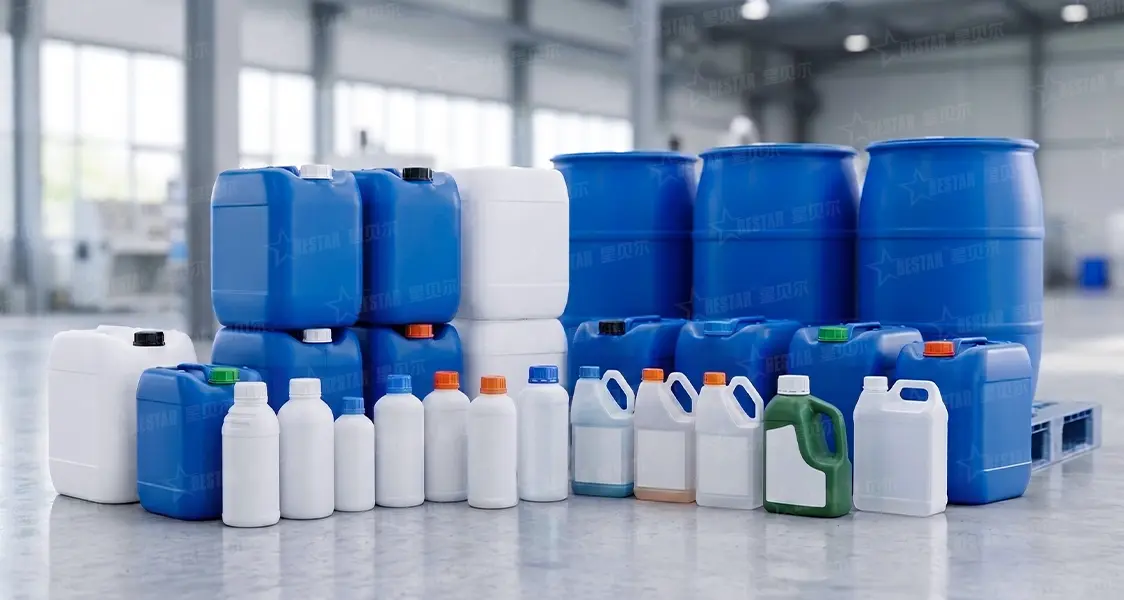
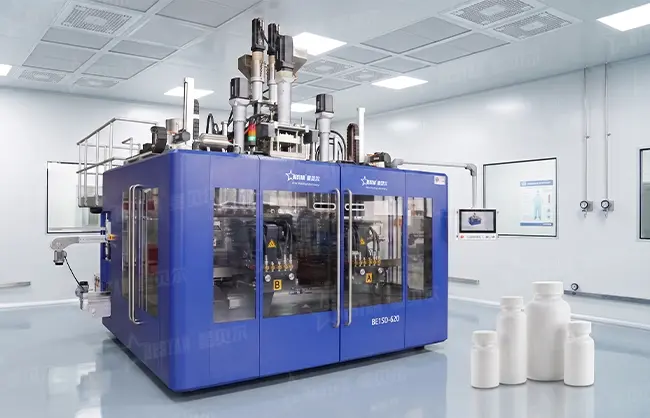
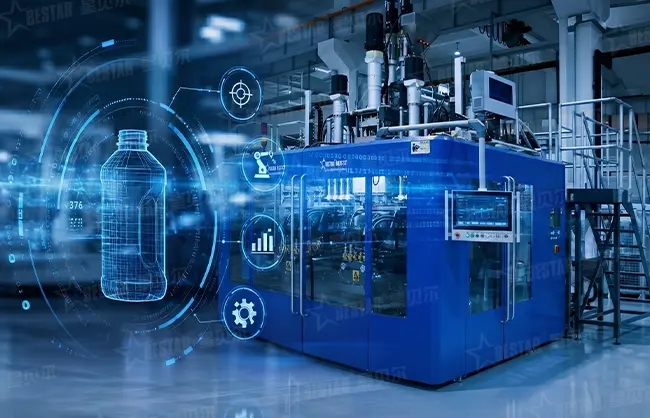
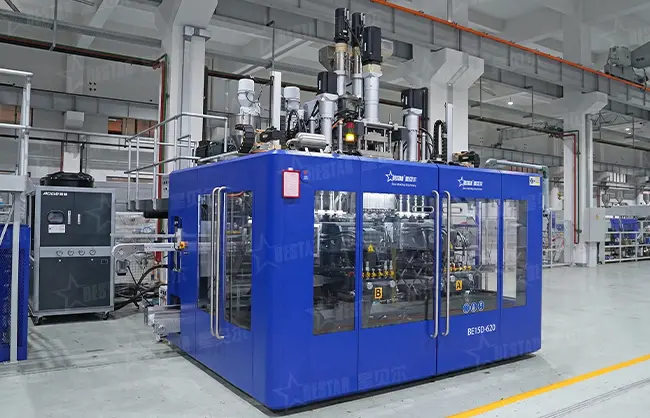
Driven by advancements in materials science and servo-driven automation, today’s chemical container blow molding machine has evolved from a simple shaping tool into a highly engineered barrier system designed to prevent chemical permeation, optimize bottle weight, and integrate high ratios of post-consumer recycled (PCR) resin.
Shift Toward Multi-Layer Co-Extrusion:
Agrochemicals, solvents, and heavy lubricants frequently cause standard single-layer High-Density Polyethylene (HDPE) containers to swell, deform, or leak hazardous vapors.
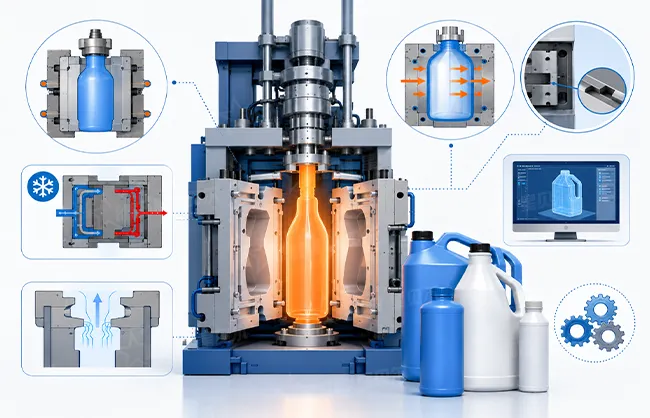
To solve this, Bestar Machinery have engineered specialized blow molding machine configurations processing up to six distinct material layers simultaneously. Embedding an ultra-thin barrier layer – typically EVOH or Nylon, between HDPE layers drastically cuts permeation rates without sacrificing structural strength.
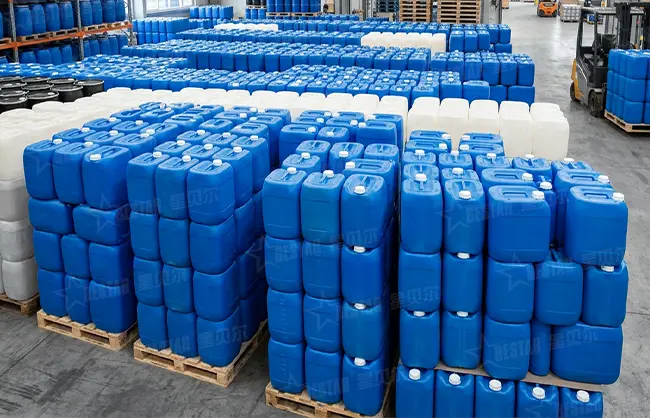
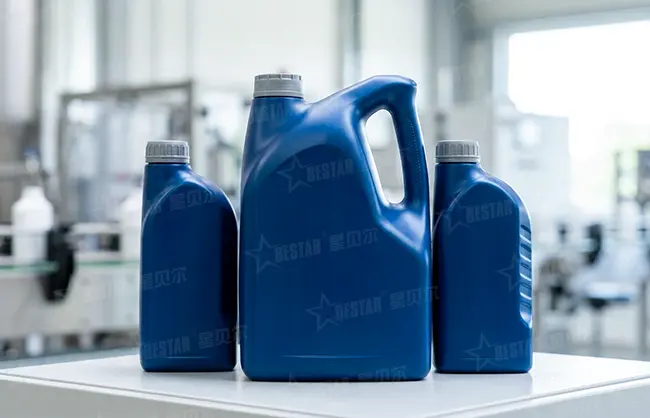
“Precision engineering in barrier tech is non-negotiable for modern chemical packaging,” notes an engineering lead at Bestar Machinery, a recognized global blow molding machine manufacturer. “Whether shaping a 1-liter pesticide bottle or a 30-liter stackable jerry can, multi-layer co-extrusion ensures volatile formulas remain safely contained throughout extended supply chains.”
All-Electric Precision Meets Circular Economy Demands:
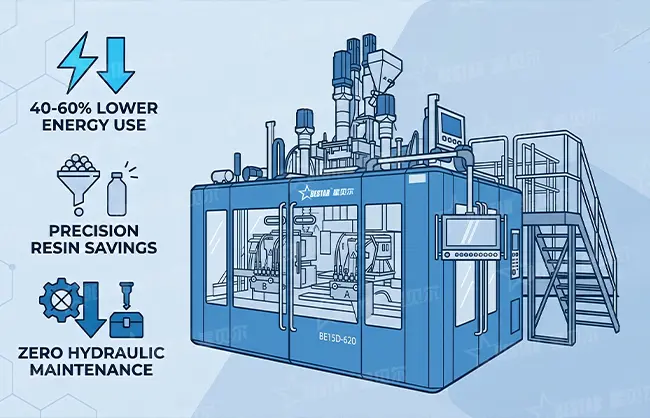
Alongside chemical containment, operational energy efficiency is driving equipment upgrades across processing plants. Traditional hydraulic systems carry higher energy overheads and the risk of oil contamination – a critical concern for high-purity chemical applications.
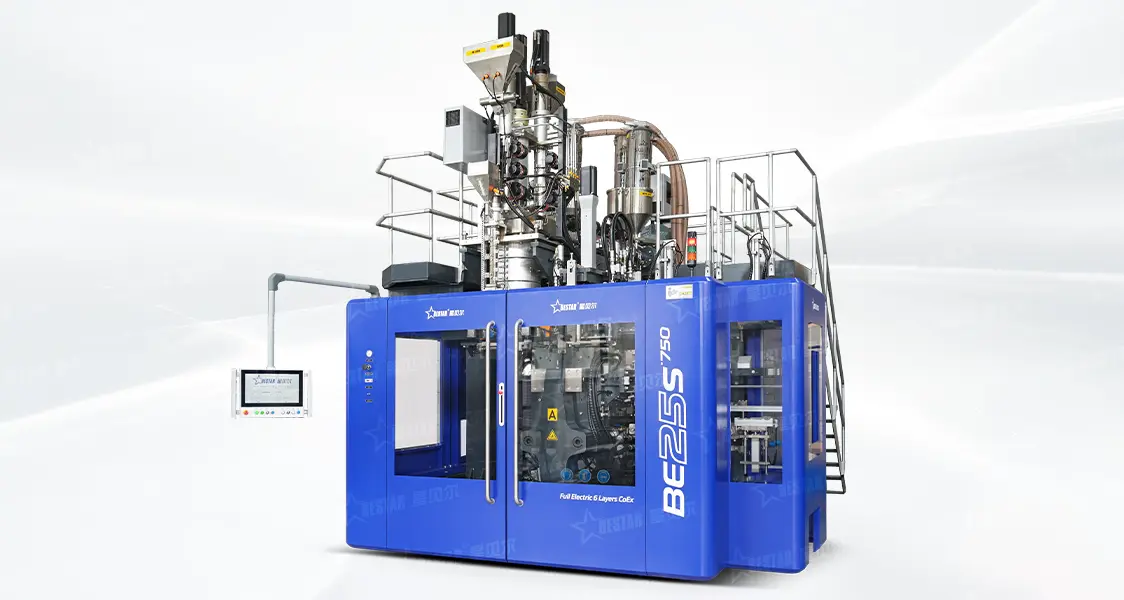
The industry transition toward fully electric blow molding machine designs has cut power consumption while introducing real-time parison programming. By dynamically controlling molten tube thickness before expansion, machinery from developers like Bestar Machinery allows processors to reinforce structural stress points (such as handles and stacking rims) while thinning non-critical zones to trim raw material expenses.
Multi-layer architecture enables a sustainable sandwich design. Virgin resin skins protect the outer layers, while the core accepts up to 50% PCR plastic. This structure helps chemical manufacturers hit sustainability goals without compromising bottle integrity.
Smart Automation for High-Output Facilities:
To combat labor shortages and rising operational costs, modern production lines are integrating end-to-end automation directly downstream of the mold. High-capacity chemical container blow molding machine units now feature integrated robotic deflashing, inline leak detection, automated weighing, and robotic palletizing.
Strict regulatory standards require highly adaptable processing equipment. Bestar Machinery provides flexible engineering support for high-speed bottle systems and heavy-duty industrial container lines.
FAQ:
Q1: What is the main benefit of a multi-layer chemical container blow molding machine?
A: It uses barrier layers (like EVOH) to prevent chemical leakage and vapor loss while allowing recycled plastic in middle layers to cut material costs.
Q2: Why are manufacturers switching to all-electric blow molding machines?
A: All-electric machines reduce energy consumption, eliminate hydraulic oil contamination risks, and deliver precise wall-thickness control.
Q3: What role does parison programming play during production?
A: It dynamically adjusts molten plastic tube thickness, reinforcing critical stress zones (like handles) while saving material on non-critical parts.
Q4: How does Bestar Machinery support custom packaging setups?
A: Bestar Machinery designs scalable single and multi-layer blow molding systems tailored for products ranging from 100ml bottles to 35-liter industrial containers.
About Suzhou Bestar Blow Molding Machinery Co., Ltd:
Beier Group and Bestar company are same owner And Bestar has been established for more than 19years. Bestar provides customers high efficiency, innovative, energy saving blow molding machinery solutions. Bestar blow molding machines sold to more than 60 countries.

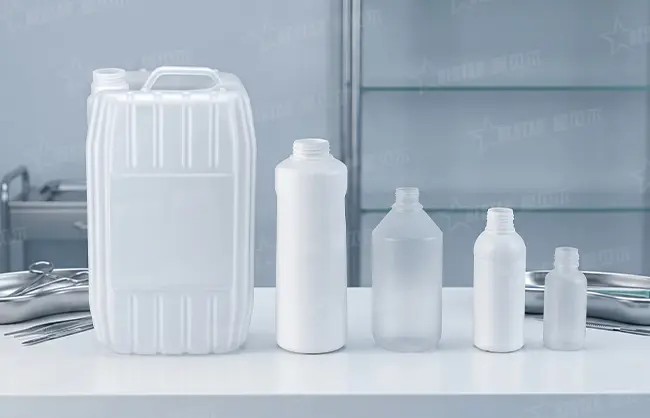
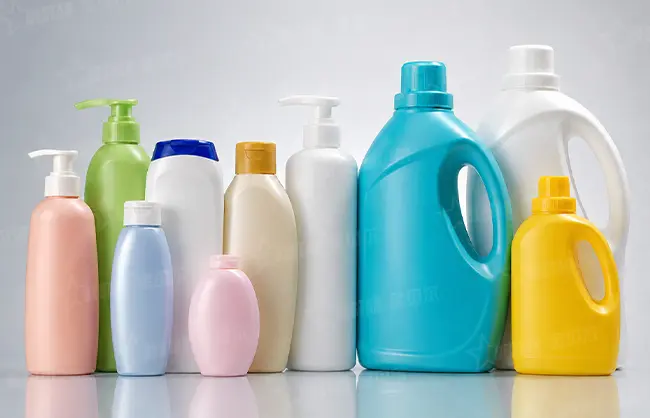
Series blow molding machine is used for blowing 100ml-1250L HDPE PE PP products like milk bottles, daily chemical packaging bottles, jerry cans, pesticide bottles / medicine bottles and stacking barrels.
Please write your machine inquire Email, Phone Number and Company Name here, we will respond within 12h. Or you can directly contact us: Email: sales@bestarmachinery.com or at Whatsapp/Wechat +86 18862609888.
Related News