What is EVOH Blow Molding Machine? Multi-layer Co-extrusion Technology
2026-03-10
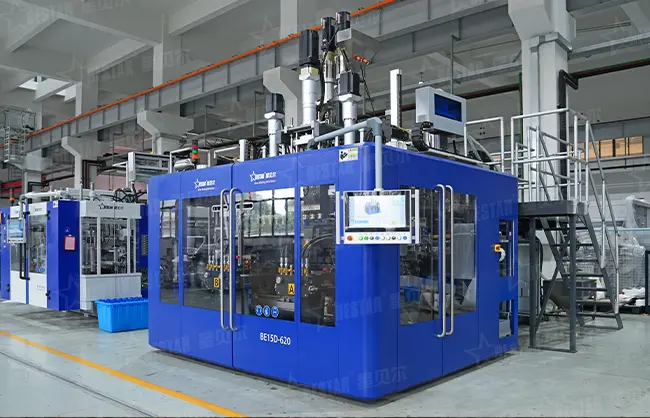
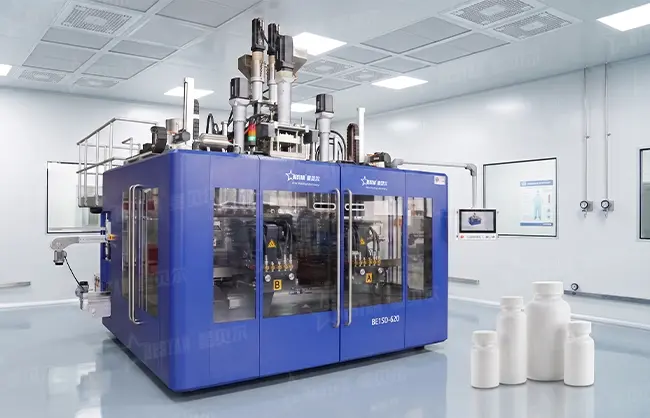
In the plastic packaging market of 2026, mono-layer containers are increasingly struggling to meet high-end market demands. Whether it is extending the shelf life of fresh milk or preventing corrosive pesticides from breaching a container, EVOH blow molding machine have become the industry-standard solution.
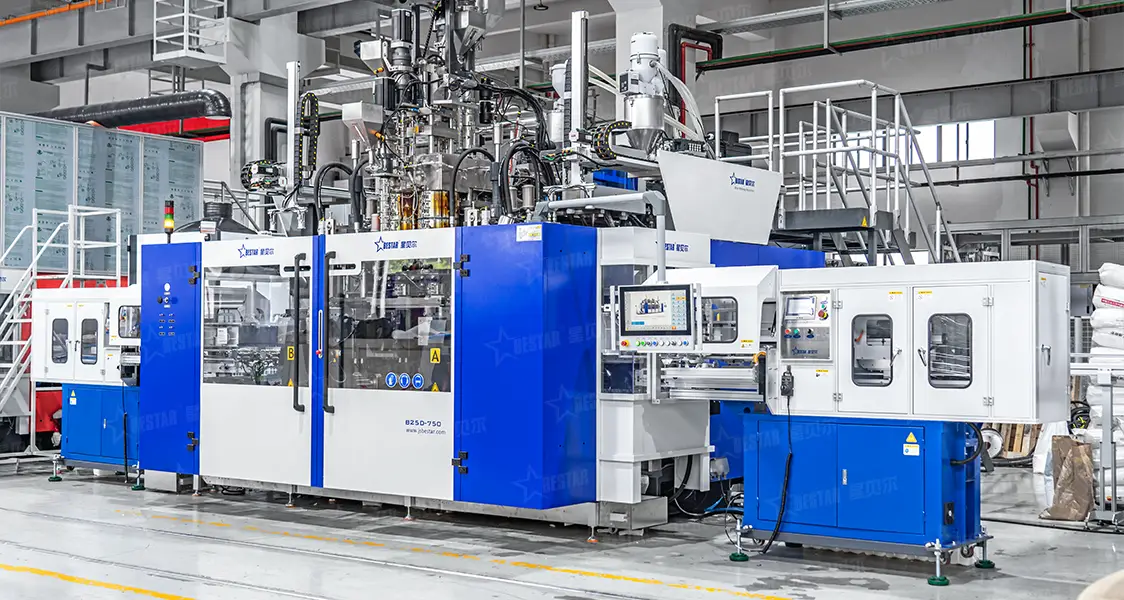
What is EVOH Barrier Technology?
EVOH is a thermoplastic polymer renowned for its exceptional gas barrier properties. EVOH has an extremely low oxygen transmission rate, effectively preventing oxygen from entering the container (which causes oxidation and spoilage) while locking in aromas and volatile components inside.
However, because EVOH is sensitive to moisture, it cannot be used alone to form a bottle. Instead, it must be embedded as a “sandwich layer” within a multi-layer structure during the blow molding process.
EVOH Multi-layer Co-extrusion Works:
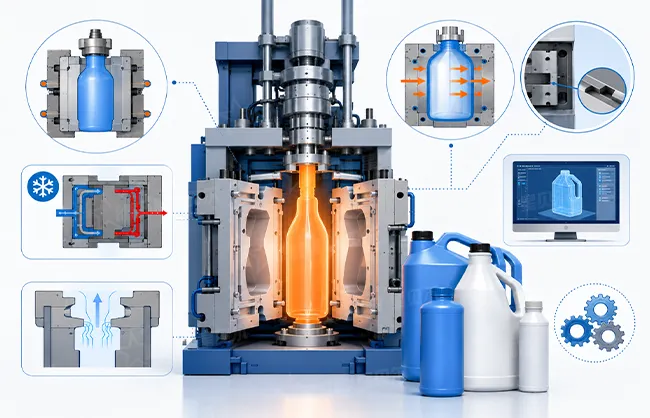
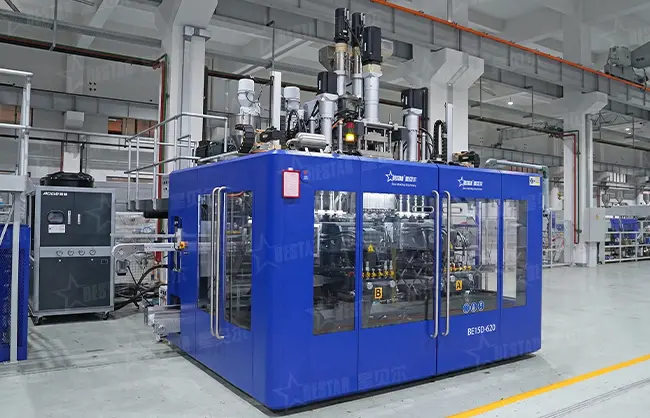
An EVOH extrusion blow molding machine utilizes Multi-layer Co-extrusion (COEX) technology. Taking a classic 6-layer structure as an example, the bottle wall consists of the following layers from the outside in:
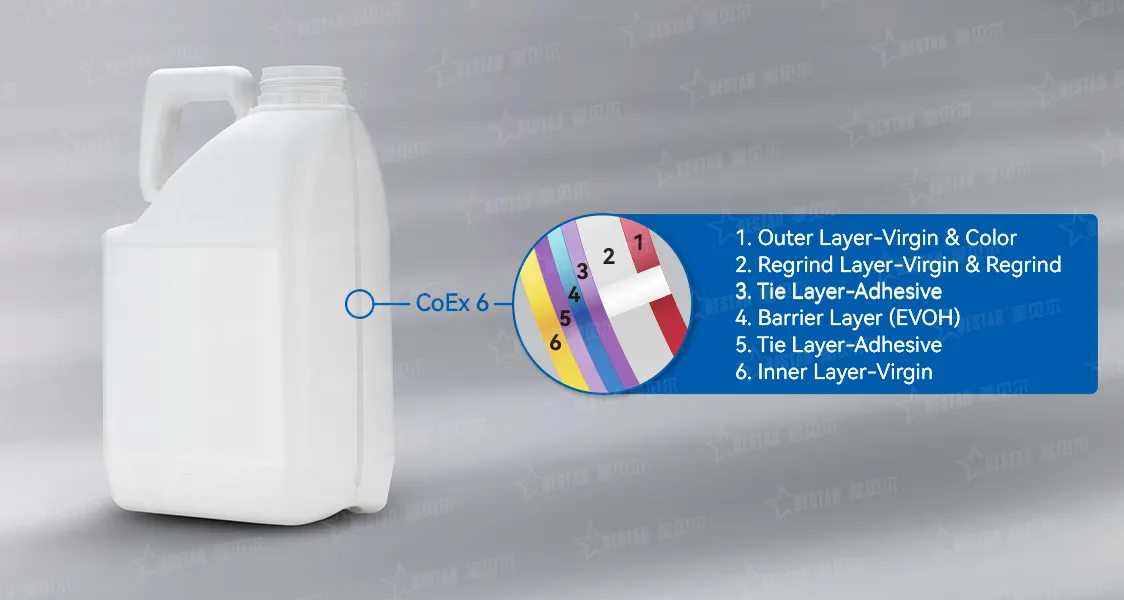
- Outer Layer (HDPE): Provides aesthetic color and structural strength.
- Regrind Layer: Consumes production scrap to reduce material costs.
- Tie Layer (Adhesive): Firmly bonds the HDPE to the EVOH.
- Barrier Layer (EVOH): The core layer that blocks oxygen and chemical permeation.
- Tie Layer: A second adhesive layer.
- Inner Layer (Virgin HDPE): Ensures food-grade safety for direct contact with the product.
Advantages of EVOH Blow Molding Machine:
- Extended Shelf Life Without Preservatives
In the food industry, EVOH bottles can extend the shelf life of juice or dairy products several times over. This allows manufacturers to reduce the use of preservatives, meeting the 2026 consumer demand for “Clean Label” products.
- Prevention of Chemical Permeation and Deformation
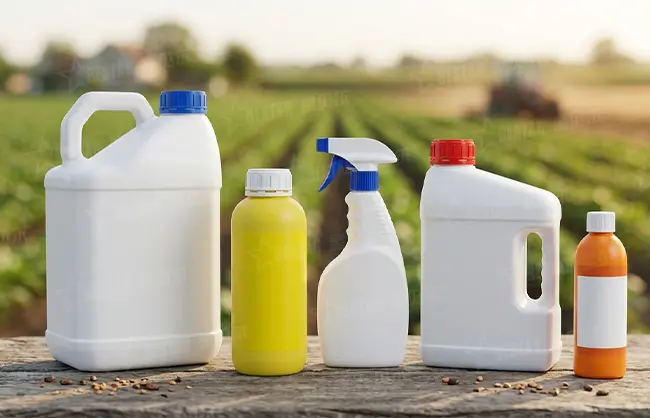
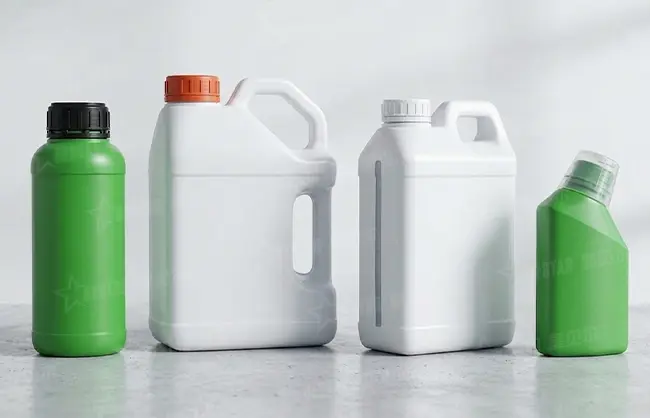
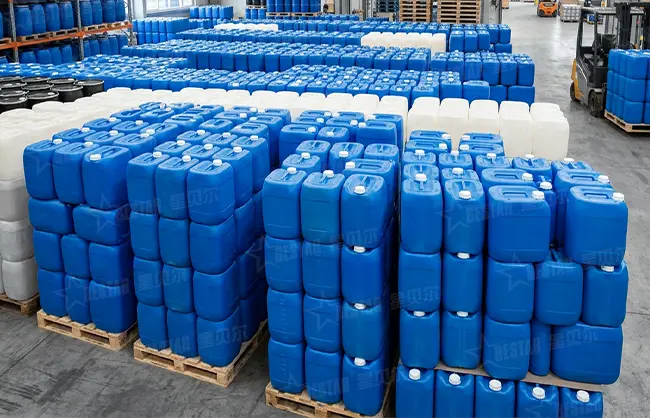
Pesticides and certain solvents can permeate ordinary HDPE walls, causing the bottle to collapse or lose weight. The EVOH layer effectively traps these volatile molecules, ensuring the safety of chemical transport and storage.
- Compliance with Circular Economy Standards
Despite being a functional plastic, EVOH usually accounts for less than 5% of the total structure in 2026’s latest designs. This allows the entire bottle to remain compatible with mainstream recycling systems as a recyclable material.
FAQ:
Q1: What is the difference between EVOH blow molding machine and a standard blow molder?
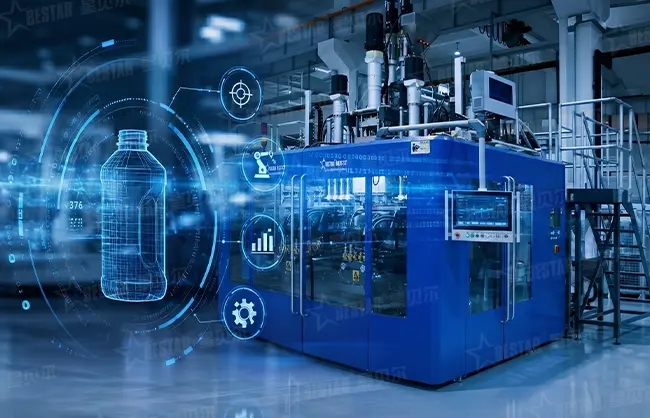
A: The primary difference lies in the die head and the number of extruders. An EVOH machine is equipped with multiple extruders (one for each layer) and a precision co-extrusion die head to ensure the thin EVOH layer covers the entire bottle uniformly without any break points.
Q2: How thick is the EVOH layer typically?
A: In a typical structure, the EVOH layer is extremely thin, usually representing only 3% to 10% of the total wall thickness. Despite its thinness, its barrier performance is equivalent to several meters of standard plastic.
Q3: Why do EVOH bottles require “Tie Layers”?
A: HDPE and EVOH are chemically incompatible and will not bond naturally. A specialized adhesive resin (Tie Layer) must be used as a medium to prevent the bottle from delaminating during use.
About Suzhou Bestar Blow Molding Machinery Co., Ltd:
Beier Group and Bestar company are same owner And Bestar has been established for more than 19years. Bestar provides customers high efficiency, innovative, energy saving blow molding machinery solutions. Bestar blow molding machines sold to more than 60 countries.

Series blow molding machine is used for blowing 100ml-1250L HDPE PE PP products like milk bottles, daily chemical packaging bottles, jerry cans, pesticide bottles / medicine bottles and stacking barrels.
Please write your machine inquire Email, Phone Number and Company Name here, we will respond within 12h. Or you can directly contact us: Email: sales@bestarmachinery.com or at Whatsapp/Wechat +86 18862609888.
Related News