Best Materials for Blow Molding Machine
2025-08-30
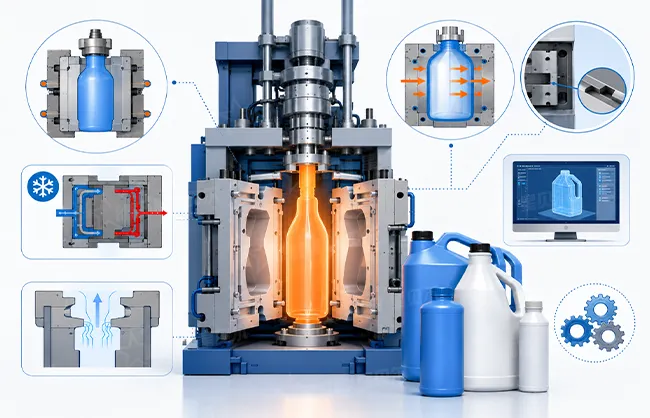
Selecting the best material for blow molding machine is critical, as it determines the final product’s properties, cost, and performance. There is no single “best” material; the choice depends entirely on the application.

High-Density Polyethylene (HDPE):
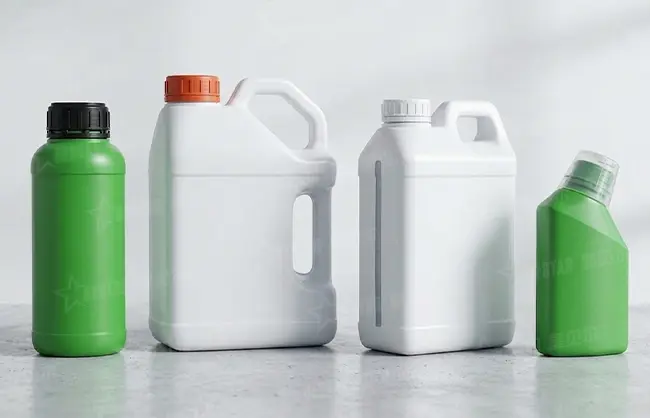
HDPE is the most commonly used material for extrusion blow molding.
Key properties: Excellent chemical resistance (especially to acids and bases). High impact strength and durability. Stiff and relatively hard. Low cost. Good processability.
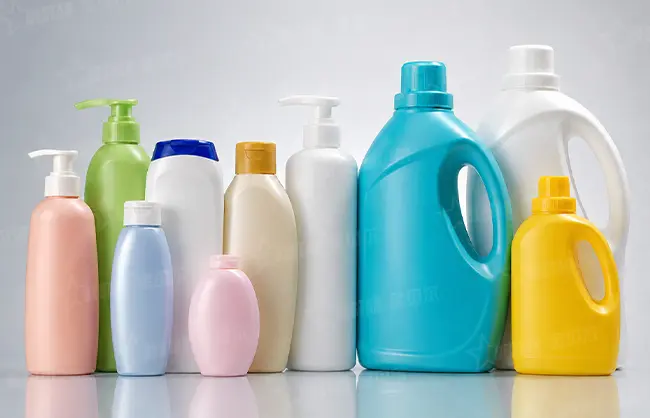
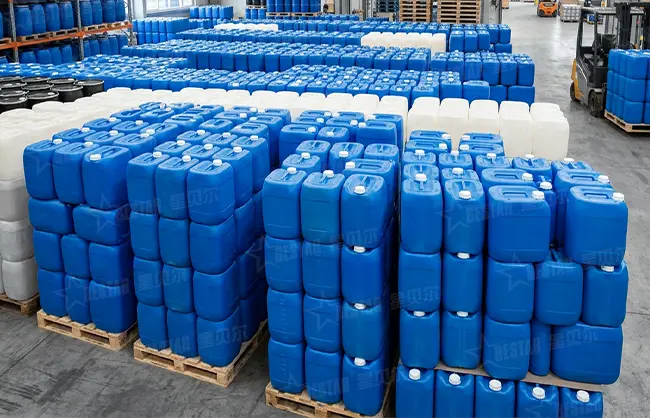
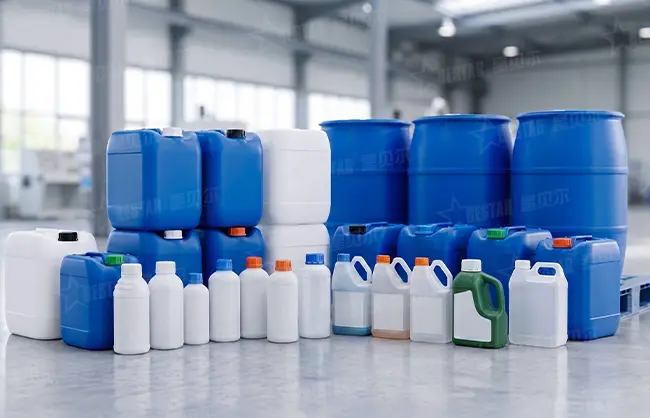
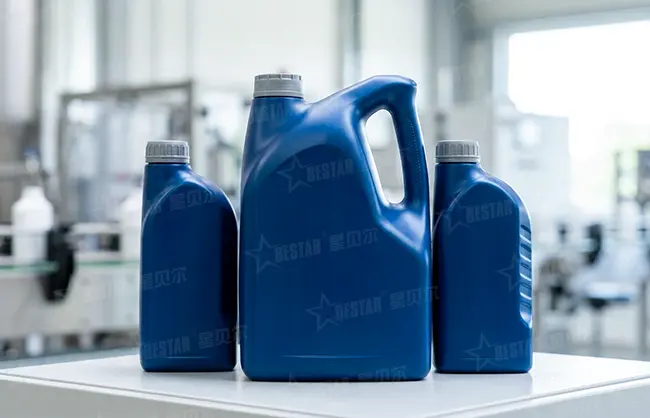
Common applications: Bottles & containers ( bleach, detergent, shampoo, motor oil, milk, and water jugs), drums, IBC totes, chemical tanks, toys & household goods.
Polypropylene (PP):
PP material with excellent chemical and heat resistance.
Key properties: Excellent resistance to fats, oils, and greases. Higher heat resistance than HDPE (can be autoclaved). Good chemical resistance. Can be made translucent (but not as clear as PET).
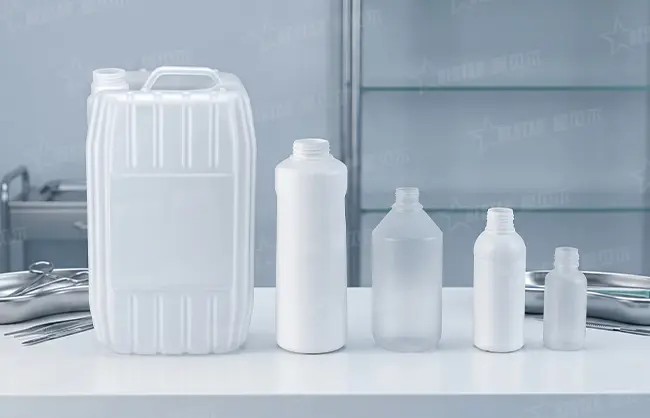
Common applications: Food containers (syrup, ketchup, yogurt, and deli containers), medical parts (autoclavable containers and components), automotive ducts & containers.
Polyethylene Terephthalate (PET):
The king of stretch blow molding for transparent bottles.
Key properties: Crystal clear clarity and glossy surface. Excellent gas barrier (keeps carbonation in, oxygen out). High tensile strength and rigidity. Lightweight.
Common applications: beverage bottles, food containers, pharmaceutical & cosmetic bottles.
Polyvinyl Chloride (PVC):
Key properties: High clarity. Good oil and chemical resistance. Inherent flame retardancy. Can be very rigid or flexible (with plasticizers).
Common applications: Medical tubing and blood bags (flexible), clear bottles for oils (rigid), building & construction profiles.
Polycarbonate (PC):
Key properties: Extremely high impact resistance (nearly unbreakable). Excellent clarity and optical properties. Good heat resistance. High tensile strength.
Common applications: Reusable 5-gallon water bottles. Medical and healthcare components. Automotive headlamp lenses.
Engineering Plastics (e.g., Nylon, POM, ABS):
Nylon (Polyamide – PA): Excellent temperature and chemical resistance. Used for automotive under-hood components (e.g., air ducts, reservoirs).
Acetal (POM): High stiffness, low friction, and excellent fatigue resistance. Used for intricate mechanical parts.
ABS (Acrylonitrile Butadiene Styrene): Good impact resistance and surface finish. Often used for appliance housings and complex shapes.
Select the Best Material Based on Application:
| Material | Key Strengths | Common Applications |
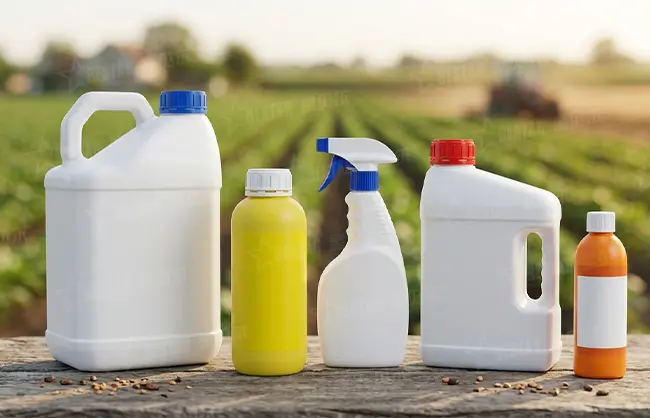
| HDPE | Chemical Resistance, Toughness, Low Cost | Detergent Bottles, Industrial Drums, Toys, Milk Bottle, Pesticide Bottle |
| PET | Clarity, Gas Barrier, Stiffness | Soda/Water Bottles, Food Jars |
| PP | Heat Resistance, Oil/Grease Resistance | Food Containers, Medical Parts, Auto Ducts |
| PVC | Clarity, Oil Resistance, Flexible/Rigid | Medical Tubing, Clear Bottles for Oil |
| PC | Impact Strength, Clarity, Heat Resistance | Reusable Water Jugs, Medical Components |
| Nylon (PA) | Heat & Chemical Resistance | Automotive Under-hood Parts |
About Suzhou Bestar Blow Molding Machinery Co., Ltd:
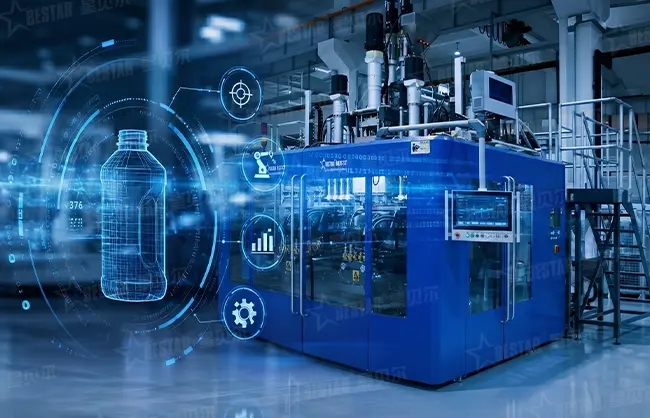
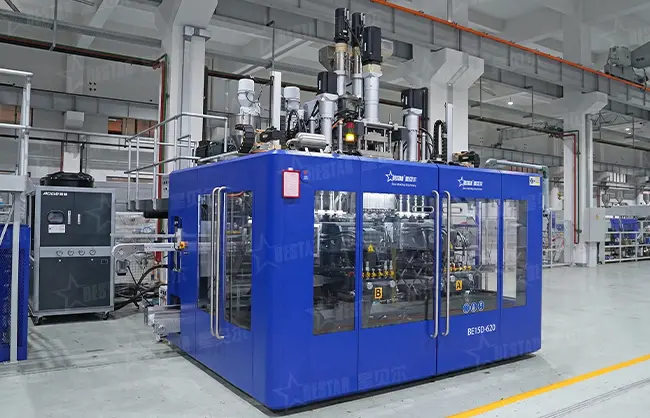
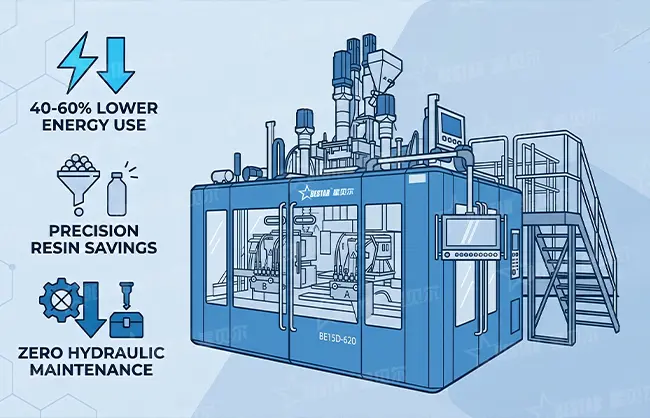
Beier Group and Bestar company are same owner And Bestar has been established for more than 19years. Bestar provides customers high efficiency, innovative, energy saving blow molding machinery solutions. Bestar blow molding machines sold to more than 60 countries.

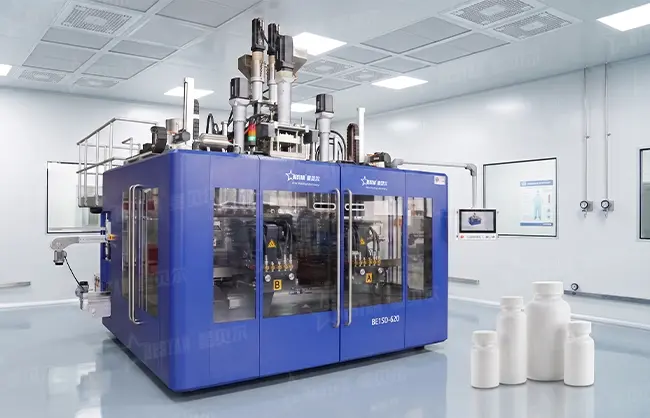
Series blow molding machine is used for blowing 100ml-1250L HDPE PE PP products like milk bottles, daily chemical packaging bottles, jerry cans, pesticide bottles / medicine bottles and stacking barrels.
Please write your machine inquire Email, Phone Number and Company Name here, we will respond within 12h. Or you can directly contact us: Email: sales@bestarmachinery.com or at Whatsapp/Wechat +86 18862609888.
Related News