Electric vs. Hydraulic Blow Molding: Future of Chemical Packaging
2026-10-16
The daily chemical packaging market – spanning cosmetic containers, detergent jugs, and personal care bottles – is undergoing a major technological shift. For decades, traditional hydraulic extrusion blow molding machines served as the primary industry workhorse. Today, rising energy costs, carbon-neutrality mandates, and lightweighting trends are pushing packaging manufacturers toward high-efficiency alternatives.

Choosing between electric and hydraulic machines is no longer just about initial purchase price. It is about long-term operational viability, total cost of ownership (TCO), and smart factory integration. Industry leaders like Bestar Machinery are guiding this transition with advanced electric and hybrid platforms engineered for modern production demands.
Energy Efficiency and Power Savings:
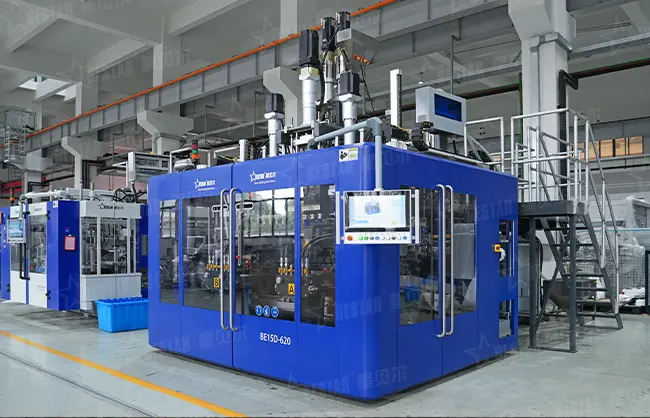
The key factor driving the switch to fully electric blow molding machine is power consumption. Traditional hydraulic systems rely on continuously running pumps that waste significant energy during idle and cooling phases.

In contrast, fully electric blow molding machines use AC servo motors to drive axes independently:
- On-Demand Power: Servo motors consume electricity only during active movement.
- Measurable Savings: Upgrading from legacy hydraulic systems cuts overall energy consumption by 30% to 50%.
- Energy Recovery: Integrated regenerative braking systems capture kinetic energy during deceleration and return it to the power grid.
Precision and PCR Material Compatibility:
Consumer brands are under constant pressure to reduce virgin plastic usage without compromising bottle strength or appearance. Achieving consistent parison thickness is essential, particularly when processing Post-Consumer Recycled (PCR) resins.
- Micron-Level Accuracy: Electric servo drives deliver consistent positional repeatability, eliminating weak spots and material waste.
- Co-Extrusion Excellence: All-electric setups excel at multi-layer co-extrusion, allowing manufacturers to sandwich recycled PCR resin inside virgin outer layers. Solutions from companies like Bestar Machinery help processors maintain tight tolerances despite resin batch variations.
Cleanliness and Maintenance Overhead:
Plant hygiene and equipment uptime are key performance indicators for personal care and cosmetic packaging lines.
Hydraulic systems present inherent risks of oil leaks, misting, and seal failure, requiring frequent fluid changes and routine maintenance. Fully electric blow molding machines eliminate hydraulic fluids entirely. This zero-oil environment prevents product contamination, reduces routine maintenance labor, and lowers operating noise levels for a safer, cleaner shop floor.
The Future: Electric vs. Hydraulic
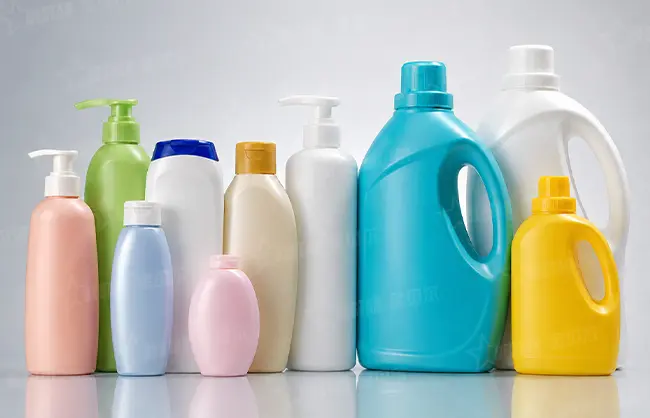
While hydraulic blow molding machine remains common for heavy-duty industrial containers requiring massive continuous clamping force, the daily chemical sector is moving quickly toward electrification. For 200ml to 5-liter bottles, all-electric and servo-hybrid systems deliver superior precision, lower unit costs, and long-term sustainability.
FAQ:
Q1: Are electric blow molding machines more expensive upfront?
A: Yes, initial capital expenditure is 15% to 25% higher due to servo controls. However, energy savings and lower maintenance usually deliver full ROI within 1.5 to 3 years.
Q2: Can electric machines process multi-layer PCR plastics?
A: Yes. Precise servo control manages variable resin viscosities effectively, ensuring uniform layer distribution in multi-layer co-extrusion.
Q3: Do all-electric machines eliminate hydraulic oil completely?
A: Yes. All movements—clamping, carriage, and extrusion—are driven by motors and mechanical linkages, eliminating oil tanks and filter maintenance.
Q4: How do noise levels compare between electric and hydraulic systems?
A: Electric machines run significantly quieter (often under 70 dB) by eliminating continuous hydraulic pump noise, improving workplace ergonomics.
Q5: What are the main maintenance requirements for electric machines?
A: Maintenance is minimal, focusing mainly on periodic mechanical lubrication and routine motor checks, without oil changes or valve replacements.
About Suzhou Bestar Blow Molding Machinery Co., Ltd:
Beier Group and Bestar company are same owner And Bestar has been established for more than 19years. Bestar provides customers high efficiency, innovative, energy saving blow molding machinery solutions. Bestar blow molding machines sold to more than 60 countries.

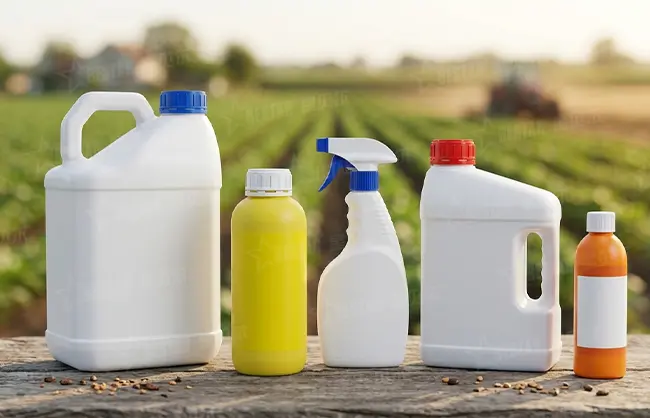
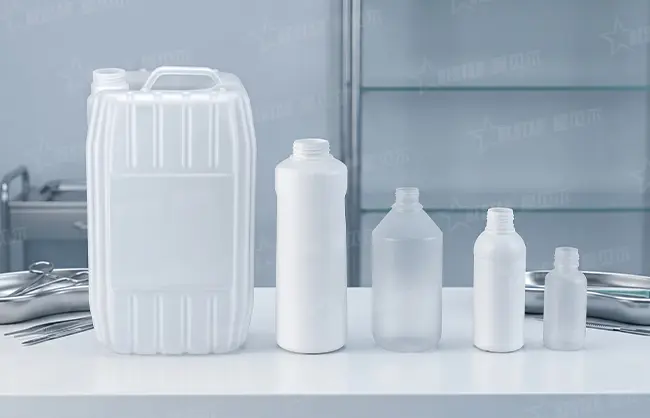
Series blow molding machine is used for blowing 100ml-1250L HDPE PE PP products like milk bottles, daily chemical packaging bottles, jerry cans, pesticide bottles / medicine bottles and stacking barrels.
Please write your machine inquire Email, Phone Number and Company Name here, we will respond within 12h. Or you can directly contact us: Email: sales@bestarmachinery.com or at Whatsapp/Wechat +86 18862609888.
Related News